

Quick answer: Yes, in moderation. Caffeine increases alertness and reduces sleepiness, according to the European Food Safety Authority, and a 2014 Johns Hopkins study found caffeine taken after studying improved memory a day later. But coffee late in the day can cut into sleep, which hurts learning, so drink it early and stop at least 6 hours before bed.

Walk around any campus during exams and you’ll see plenty of travel mugs. Coffee won’t make you smarter, but used at the right time it can help you stay alert while you study. Used badly, it costs you sleep and leaves you worse off on test day.
In this guide 6 sections
How to use coffee for studying
- Drink it when you start studying, not when you’re already fading. Caffeine peaks in your blood within about an hour, according to MedlinePlus, and you may feel it for four to six hours.
- Keep the dose moderate. One or two cups is plenty for most people. An 8 oz cup of brewed coffee has about 95 mg of caffeine (USDA); the FDA cites 400 mg a day as generally safe for healthy adults.
- Set a cut-off time. A sleep study found caffeine taken even 6 hours before bed disrupted sleep. If you go to bed at midnight, finish your last coffee by 6 pm, or earlier if you’re sensitive.
- Don’t use it to replace a night’s sleep. Coffee masks sleepiness; it doesn’t undo the need for sleep.
- Stick to your usual amount on exam day. Much more than normal can bring on jitters and anxiety, and skipping your usual cup can trigger withdrawal headaches and fog.
Does coffee help you focus?

It helps you stay alert. EFSA says that in moderate doses caffeine increases alertness and reduces sleepiness. It works by blocking adenosine, a brain chemical that builds sleep pressure, which is why coffee helps most when you are a little tired. Studying is often long and repetitive, which is exactly where staying alert counts. I was sleep-deprived through much of college, and coffee was what kept me going on those mornings. Brewing in a dorm? See the best coffee makers for college students.
Caffeine is especially good at holding off sleepiness for a while. In a driving-simulator study, 200 mg of caffeine cut sleepiness-related incidents in tired drivers, and combining it with a short nap worked even better. For that trick, see our guide to the coffee nap.
Does coffee help memory?
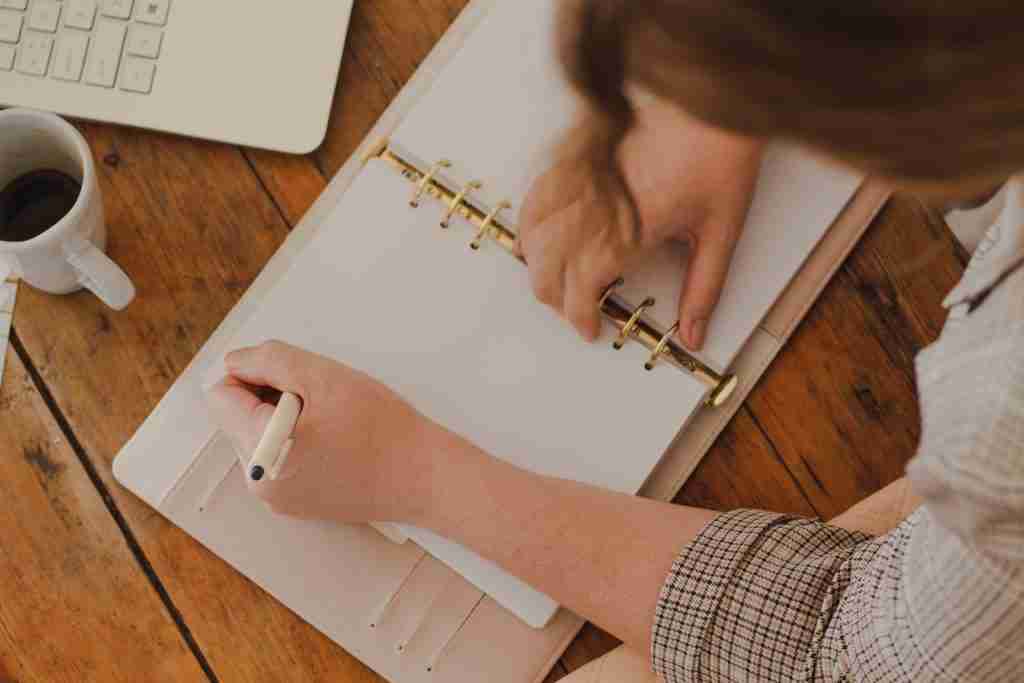
There is some evidence it helps you hold on to what you learned. In the 2014 study by Michael Yassa’s team at Johns Hopkins, published in Nature Neuroscience, people looked at a series of images and then took either caffeine or a placebo. Tested 24 hours later, the caffeine group was better at telling apart images that were similar to, but not the same as, ones they had seen. The effect followed an inverted U-shape, meaning more caffeine wasn’t better beyond a point.
That is one study using caffeine pills and a picture-recognition task, so it doesn’t prove coffee will raise your grades. It does fit the advice above: a moderate amount, not a huge one.
When can coffee hurt your studying?

The biggest risk is sleep. Caffeine has a half-life of about 3 to 7 hours in adults (see how long coffee stays in your system), so an evening coffee is still active at bedtime. A 2025 FSANZ safety review notes that caffeine-related sleep loss may hurt academic performance in young people. Pulling an all-nighter on coffee usually means walking into the exam tired.
Too much caffeine also causes jitters, anxiety, a fast heart rate, upset stomach and headache, according to the FDA, none of which helps concentration. Energy drinks and pre-workouts on top of coffee make it easy to overdo it.
Is coffee good for your brain long-term?
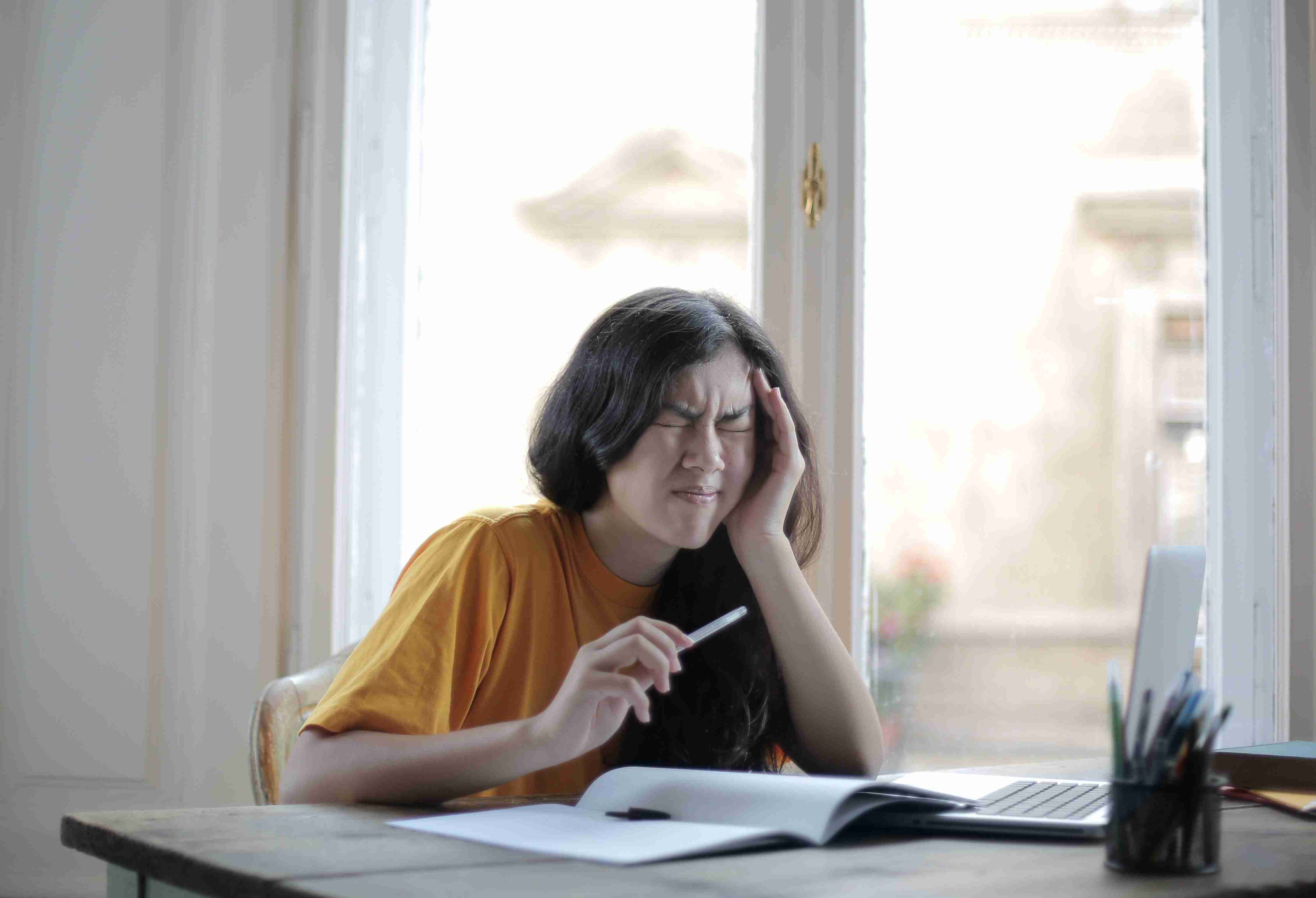
Possibly. Harvard Health notes that research has linked coffee drinking with a lower risk of Parkinson’s disease and Alzheimer’s disease, among other conditions. It also cautions that coffee drinkers may simply have healthier lifestyles, so these links don’t prove coffee causes the benefit. For the full picture, see is coffee good for you?
Frequently asked questions
Should I drink coffee before an exam?
If you normally drink coffee, have your usual amount about 30–60 minutes before the exam so it has peaked when you start. Don’t take much more than usual, and don’t try coffee for the first time on exam day.
How much coffee should I drink to study?
One or two cups (roughly 95–190 mg of caffeine) is enough for most people. The FDA cites 400 mg a day as generally safe for healthy adults, but more caffeine doesn’t mean better studying.
Is it OK to drink coffee to study late at night?
Try not to. Caffeine taken within 6 hours of bed can disrupt sleep, which leaves you tired the next day. Plan your study so the coffee comes earlier. If you study in your room, our guide to making coffee in a dorm may help.
This article is for general information and isn’t medical advice.
Share this guide
See more Coffee Informer on Google. Add us as a preferred source and our guides show up more in your Top Stories and AI results.
Add as a preferred source on Google